
African Wildlife Safari Photography: Ten Tips for Capturing Wildlife in Africa
African wildlife safaris offer a unique opportunity for wildlife enthusiasts and photographers alike to witness the majestic beauty of the continent’s fauna in their natural habitats. From the sweeping savannahs to lush rainforests, Africa’s diverse ecosystems present a plethora of photographic opportunities. However, capturing those perfect wildlife shots can be challenging. In this blog post, we’ll explore ten essential tips for enhancing your safari photography skills and bringing home stunning images from your African adventure.
I have lived in Africa since the late 90s and have lost count of the number of African Safaris I have been on. From my experience, unless you are a professional photographer, you need to keep it simple. When I am going on a wildlife safari I carry three lenses, a standard 18-55mm for normal family shots, then a 70-300mm this is the one that does the majority of my shots while we are out on the savannah. The last one I carry is the crazy one, which to be honest I don’t often use, it is a 100-500mm Canon. The lens is cumbersome, and you need a tripod to get the best from it.
Another great tip is to get proficient with your smartphone camera and maybe buy one of those attachment gadgets that enable the phone camera to zoom. The smartphone cameras are amazing these days many of my friends and clients have managed to get excellent shots using these devices.
- Know Your Gear Inside Out
Before embarking on your wildlife safari, become intimately familiar with your camera equipment. Whether you’re using a DSLR, mirrorless camera, or even a smartphone, understanding the settings and functions will allow you to make quick adjustments in the field. Practice changing lenses and settings without looking at your gear to minimize distractions during critical moments.
- Use the Right Lens
Selecting the appropriate lens is crucial for wildlife photography. A telephoto lens with a long focal length (e.g., 300mm or higher) is useful but not essential to capture animals from a safe distance without disturbing them. A zoom lens with image stabilization is particularly useful for tracking moving subjects. If you are using a reputable safari operator then he will get you quite close to the wildlife so unless you want to take a particular shot of a giraffe’s eyeball then a short zoom of up to 300mm will suffice.
- Master the Basics of Exposure
Understanding the fundamentals of exposure—aperture, shutter speed, and ISO—is key to capturing well-exposed wildlife shots. In most cases, you’ll want a wide aperture (low f-stop) to create a shallow depth of field, isolating your subject from the background. Fast shutter speeds are essential to freeze the motion of animals, especially during action sequences. Light is another major issue with wildlife safari photography make sure you can gauge the light as moving the vehicle or the subject is not an option.
- Practice Patience and Observation
Wildlife photography often requires patience and observation. Spend time watching the animals’ behavior, anticipating their movements, and waiting for the right moment to capture a shot that tells a story. The more you understand your subject’s habits, the better your chances of getting a compelling photograph. With modern cameras, the other way to get some good shots is to make sure you have the biggest memory card you can lay your hands on. Then blast away like it is an AK 47, when you get home, you can delete all of the rubbish.
- Focus on the Eyes
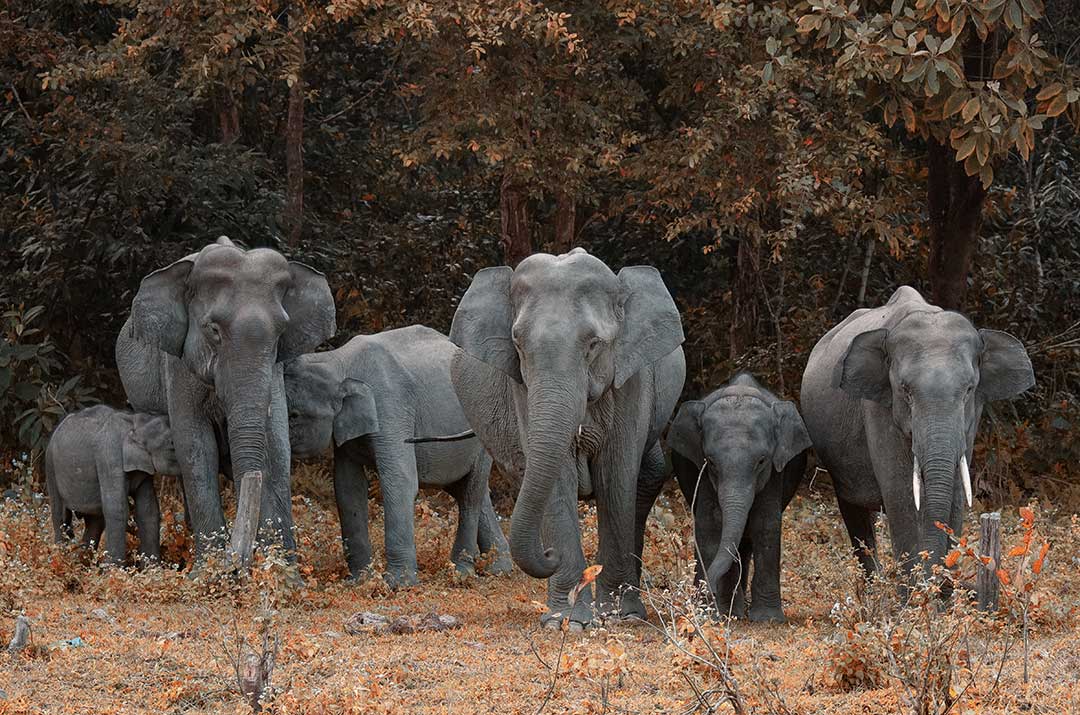
The eyes are the window to the soul, and this holds true in wildlife photography as well. Always aim to focus on the animal’s eyes, as sharp, well-focused eyes create a connection between the viewer and the subject. Use single-point autofocus for precision.
- Pay Attention to Composition
Composition plays a vital role in photography. Apply the rule of thirds to place your subject off-center for a more visually appealing image. Consider the animal’s environment and incorporate natural elements, such as trees or water, to add depth and context to your shots.
- Use Natural Light Wisely
Golden hours, the period shortly after sunrise and before sunset, provide soft, warm light that enhances the colors and textures in your images. These times are ideal for photography as the low angle of the sun creates pleasing shadows and highlights. Avoid harsh midday sun when the light is harsh and creates harsh shadows. This is ideal for African safaris as you will be taken on your first game drive before breakfast which is a great time to get some lovely animal shots and don’t forget the scenery and sunrise!
- Be Prepared for Action
Wildlife doesn’t always pose for the perfect shot. Be ready to capture action shots by using a fast shutter speed to freeze motion. Continuous shooting mode can also help you capture a sequence of images, increasing the likelihood of capturing dynamic moments.
- Respect Wildlife and Their Environment
Responsible wildlife photography is essential for conservation efforts. Always maintain a safe and respectful distance from the animals. Avoid disturbing their natural behavior, and never feed or approach them. Keep noise to a minimum, as sudden loud sounds can cause stress to the animals.
- Post-Processing and Editing
Editing is the final step in creating stunning wildlife photographs. Use photo editing software to fine-tune your images, adjusting exposure, contrast, and color balance. Be cautious not to over-process, aiming for a natural look that preserves the integrity of the scene.
In conclusion, capturing exceptional wildlife photographs on an African safari requires a combination of technical skill, patience, and a deep appreciation for the natural world. By mastering your gear, understanding the principles of exposure, and practicing ethical wildlife photography, you can create breathtaking images that not only showcase the beauty of African wildlife but also contribute to conservation efforts by raising awareness and appreciation for these incredible creatures and their habitats. So, grab your camera, embark on that safari adventure, and let your passion for photography and nature flourish.
And don’t forget there is a lot of time sitting around on safari and a good book is essential. When you are sitting in the airport lounge or on the plane or on a long drive from one game park to the next. My thrillers are set in Africa and will give you a real feel for your trip, the culture, the languages and the locations. Grab the first in the series free, by joining my mailing list, click on the subscribe button below, or click on the series button to get the series from Amazon.
Enjoy your African Safari and most of all have fun!
If you would like to follow me on Instagram or Facebook, I post most days just click on the links to join the community.
For loads of useful information on African Safaris and Africa in general just click here
If you would like to get in contact with me then click here
Below are some more useful links about Safaris in Africa- Enjoy!
Top Tips for an African Safari and Beach Holiday
African Safari Which is the Best Country to Choose and Why?
Top Tips for the Perfect African Safari Vehicle
The Naming of Kenya-How and Why!
Zanzibar Tanzania-A must for your Bucket List