African safaris can become addictive, so be warned! I came to this continent in the late nineties and was immediately struck by its beauty and diversity, I fell in love, and I have never left. To plan an African Safari is such a general term that should be broken down into its fundamental parts before you even really begin to plan. And I would seriously advise planning! An African Safari can cost an arm and a leg, especially with the ever-increasing gate charges, luxury lodges, and transport. But you can also plan well and design a great budget safari that will not break the bank. This guide will help with either and provide you with important advice, tips, and tricks to ensure you have the best safari possible with the budget you have.
An African Safari is a once in a lifetime experience and with a little care and some planning you can reduce the overheads and enjoy a wonderful experience on a trip that you will remember for the rest of your life.
Initial Strategy:
Your first decisions when planning your safari should be based on your goals and aspirations. For instance, how do you like to travel? Is it first class all the way, or do you leave the house with a rucksack strapped to your back with everything you will need for the whole trip? We all vary on this; I prefer a bit of both. Another very important aspect of planning is your fellow travelers. Do you know them? Have you traveled with them before? What are their ages? Lastly, what do you want to see? Is it a whistle-stop tour to get a happy snap with as many of the big five as possible, or a more relaxed journey where you lay in wait for the majestic creatures to pass by? All of these questions should be answered taking into account your group’s size and desires. I have a post that will help with the initial planning of your safari.
Destinations:
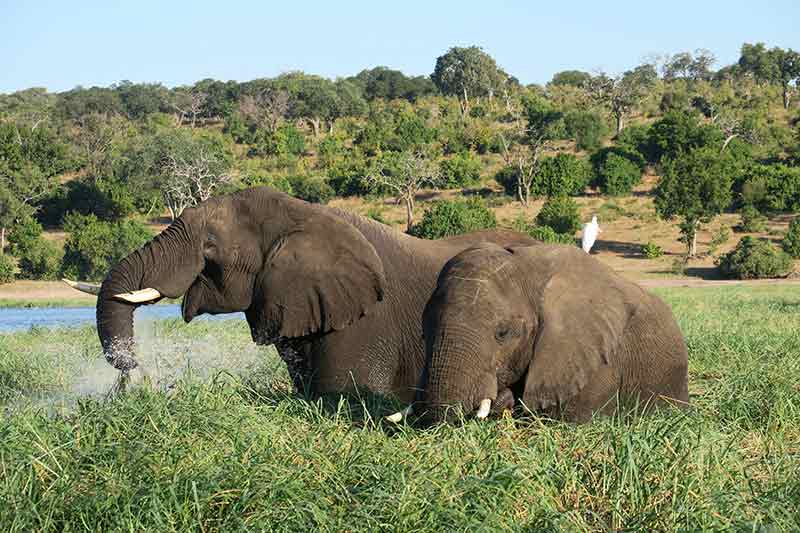
If you’re looking for an unforgettable safari trip to Africa, you must explore the different destinations that align with your interests. While popular places like Serengeti, Kruger National Park, and Maasai Mara are great, checking out less-known but equally exciting locations can take your experience to the next level. If you prefer off-the-beaten-track destinations, you can engage with locals more intimately and have a more authentic experience. For instance, if you’re interested in rock art or ancient tribes of Africa, Mfangano Island is a hidden gem that will leave you mesmerized. This island paradise is rarely discussed but offers an experience few people know exists. Lake Victoria is another excellent destination with an expanding tourism industry, game parks, the lake, Kisumu Town, and much more. You can check out my article to learn more. If you are into lakes and want to get off the beaten track, then you can do no better than Lake Tanganyika. There are many trips to this natural wonder of the world, often through Tanzanian, which has 46% of the border of the lake. Besides this, many privately run conservancies offer great value for money, ranging from camping sites to luxury accommodations, with options to suit everyone’s needs. Lumo Wildlife Conservancy is a great example, and the people of Taita run it. It’s a must-visit for anyone who wants to have an unforgettable experience while supporting local communities.
Safari and Beach
A popular trip with a lot of my guests is a five- or six-day safari, then a trip to the coast to unwind and relax on the beach. This is very popular as it offers the best of both worlds. A weeklong safari is usually enough for all but the most dedicated groups, and a week on the beach is always welcome. Kenya and Tanzania have some of the best beaches in the world. The Indian Ocean is very calm most of the year and usually lovely and warm. You don’t have to stop the creature watching either; a snorkeling trip in one of the marine parks is awesome. If you are a scuba diver there are loads of dive resorts along the coast that can accommodate you, check out my scuba diving exploits in Zanzibar. I have written a post about safaris and beaches; just click here.
Best Time to Visit:
Determine the optimal time for your chosen destination based on wildlife migrations, weather, and other factors. Although climate change is affecting Africa, we still have wet and dry seasons. Because we are near the equator, our seasons are very different from Europe. We have a dry season and a wet season. This varies from country to country, but the long dry season in East Africa lasts from July to October when the weather is defined by sunny, rain-free days. The dry season is good for spotting animals as the greenery slowly dies off, but if you decide to come at the end of the dry season, the animals will only be around the watering holes. East Africa also has two rainy seasons, the longer one from March to May and the smaller, sporadic rainy season from November to December. We get many lovely days interspersed with heavy rainfall and flooding during the short rains.
Budget:
Budget should be at the top of your ever-growing list of essentials before you go. A safari is not going to be a cheap holiday whichever way you cut the cake. You can cut corners and camp a lot and travel in a 14-seater minibus. This is great for the younger ones among you, but it is hard work, and sleeping on a hard floor is tough after sitting in a car all day. But on the other hand, if you are traveling alone and want to embrace the rigors of Africa then it is the best thing to do. Budget African Safaris and overland trips have become popular holidays for all ages over the last 20 years. An ideal way to see a lot of Africa is to join one of these overlander trips. You get to meet like-minded people and save a bunch of cash. Always check out the company that is providing the logistics for your trip. This is Africa, the normal rules do not apply! You will quickly learn the saying T.I.A. (This is Africa) which means, “Shrug your shoulders and live with it!” Keep in mind the park fees as they mount up quickly. Of course, you can go five star all the way and all of the countries I will talk about are geared for that. There is nothing quite like flying into your safari lodge on a small eight or ten-seater plane. Watching the herds of zebra scatter as the plane comes to land. Then the waiting Land Cruiser picks you up and takes you to your luxury lodge on the bend of a river, where hippos honk and snort in the rapids below your four-poster bed.
Accommodation Booking:
Reserve accommodation well in advance, especially if you plan to stay in popular safari lodges or camps. The Maasai Mara lodges can be booked for a year in advance so make sure you have second options when booking. I prefer the smaller boutique lodges as they offer a more intimate experience. Always ask if the lodge has a watering hole or is near a river or other features animals will be drawn to. I have spent many a hot afternoon sitting at the bar with a pair of binoculars watching the animals while I have a cold one!
Medical and Vaccinations
This is all under planning. A basic understanding of first aid can save your life in the bush. There are no ambulances to come and rush you to the nearest hospital. The nearest hospital may be a couple of hundred miles away. We do have a helicopter service which is worth looking into if you are coming on safari. Call your insurance provider and ask them if they provide a helicopter airlift facility to take you to the nearest hospital here is one such service. Making sure you have had all of the required injections before you leave on your African adventure is essential. Make an appointment with your physician long before your safari and ask for all the jabs you will need for the country you are considering visiting. Malaria is prevalent in most African countries: Make sure you pick up enough tablets to cover your stay and two weeks after you return home.
Travel Insurance
Following on from medical and vaccinations another priority is travel insurance. I cannot stress this enough. From losing your suitcases at the airport to being stung by a jellyfish while you are swimming in the tropical waters of your beach resort; you need travel insurance. Make sure the company you use is well-versed in African travel and has a helicopter and repatriation service. Africa is a developing country we do have hospitals and clinics. However, where you are thinking of traveling to is in the bush which simply does not provide adequate health care even to the denizens of the area. Be aware and make sure you can get airlifted to a city where the hospital can do first-level care then be repatriated to your home country for further treatment.
The Big Five
The big five consist of lion, leopard, elephant, rhinoceros, and buffalo. Most of the big five Africa can be easily seen. However, if it is a must to see a rhinoceros then you will have to pick specific reserves. The rhinoceros have been hunted to almost complete extinction and are often either kept in restricted reserves or have park rangers watching them twenty-four hours a day. Make sure you make the request early on to see a rhinoceros. There are two types in Africa the white and black rhinoceros the blacks are incredibly hard to spot. The white or wide-mouthed are more widely spread across Africa and can be seen in many different game reserves. The leopard is also difficult to spot. Some lodges try to tempt them in with meat which is about the only way you are likely to get a good photo of one without sitting in the park for weeks on end. I have a post on the big five here.
Walking Safari
This is a great option if you are fit and love to walk. There are so many walking safaris in the privately owned conservancies. I can recommend you try to at least do a couple of days walking through the bush with an experienced guide. A walking safari is a completely different experience, you get up close and personal with the wildlife. Your guide will show you tracks and spores of the different animals allowing your group to track the animal. A night out on the savannah in a tent in the middle of nowhere is unforgettable and well work the trip. I have a post on walking safaris if you are interested click here.
Transportation:
Arrange your flights well in advance. The logistics of an African Safari mean you will be in the vehicle for a long time. You do not want to miss any of your connections so ensure you have plenty of time on hand. When you reach your chosen country, the planning will get even more technical. You can fly to most safari destinations and pick a four-wheel drive vehicle on arrival. Or if you want to experience more of Africa you can have the vehicle pick you up at the airport and drive you to your lodge. Be aware this can take many hours, with traffic and broken roads, but it is part of the adventure you will get to see the people of Africa as you drive through the cities and villages. In my opinion, the whole experience is to see Africa warts and all. Choosing your safari vehicle is very important it can make or break the whole trip, read my post on safari vehicles to get a better idea of what to ask for when booking your trip. Check out this post on the best safari vehicle.
Visa Requirements:
Plan to get your visa about three months before you travel. Most visa applications are done online these days and are pretty painless. Make sure you research the visa requirements and know exactly which visa you want. With some safari holidays, you will be in more than one country and may cross the border more than once. Ensure if this is the case you have a multiple entry visa to stop hold-ups. In some countries, there is a certain level of corruption which will exasperate you if your paperwork is not in order. I carry a plastic folder with everyone’s information including any vaccination certificates. If you appear to have everything the official wants they will generally stamp your passport and get you moving.
Pack Appropriately:
Prepare a packing list including clothing, toiletries, and other essentials based on the destination and time of year. When you are on safari the vehicle may or may not have much room for suitcases. Pack appropriately but as light as you can. The evenings on safari can be cold, especially if you choose a location with a high elevation or you are on exposed hillsides. I always carry at least one good fleece jacket for the evenings and the early morning game drives. The days will be hot, and air conditioning in the vehicles is often not an option as the roof is lifted to get great shots of the animals. I always have my safari hat with a wide brim to keep the sun out of my eyes. At midday, you can feel the heat on the top of your head burning through the material! A tough pair of boots is always a good option, acacia thorns are long and needle-like and easily penetrate a sneaker or open sandals and can cause an infected wound very quickly. I find open button-up shirts cooler than T-shirts, get 100% cotton as well to keep the sweat from building up. Check out this post for more information on the best items to bring on safari.
Guided Safari or Self-Drive:
Decide whether you’ll join a guided safari or opt for a self-drive experience, considering your comfort and experience level. The self-driving safari has become more popular over the last decade or so and is a great option if you want to immerse yourself in the environment. If this is your preferred mode of travel make sure you get a big four-wheel drive from a reputable car hire company that specializes in safari vehicles. Go over the car with a fine-toothed comb before you sign the paperwork make sure you have spare tires probably at least two and jacks that can handle varying terrain. A winch is also a good add-on. I once took a four-wheel drive in my early days and had a puncture in the park. The vehicle had the spare mounted under the rear and it took me an hour to figure out how to remove it. Once we were out and ready we noticed the tread was gone and it was almost as bad as the punctured one. I fitted it as the sun was going down, but before we could go more than a kilometer or two it also burst, so I had to drive out of the game park in the dark with a flat. It was not an experience I would like to have again.
Game Drives
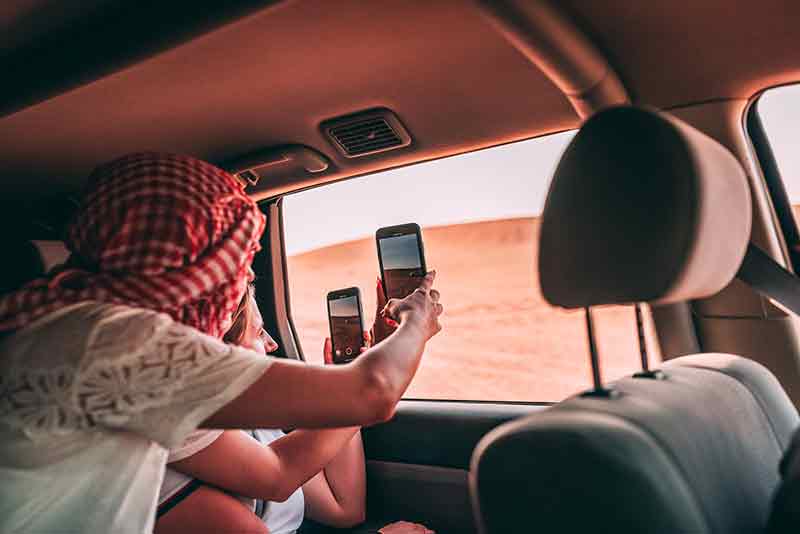
Even if you are driving yourself it is a worthwhile exercise to book a safari driver for when you are staying at a lodge. The driver will have extensive local knowledge of the area and be able to take you to out-of-the-way places where you will see more wildlife. Most safari guides have a VHF radio in the vehicle which they use to make sure everyone gets to see as many animals as possible.
If you opt for a guided safari your driver/ game specialist will pick you up at the airport and usually stay with you for the whole trip. This is a much more relaxing way to travel and do more sightseeing. Make sure your guide is qualified as a game driver and explain to him everything you want to do and how you want to experience your safari.
Tipping the Driver
It is customary to tip the driver at the end of your trip. This can be tricky as you have spent a lot of time with the person and become friends. Be aware that the tip will usually supplement a very poor salary. I usually advise my quest to think of it in their terms, what do they think is a fair amount to pay for the services offered? Do not be anxious about the tip or you will ruin your trip. Just sit as a group and make a decision and stick to it. Guests ask me whether they are being ripped off or are they paying too much? I always say pay what you are comfortable with and then you are not being ripped off. If it turns out to be a lot of money for the driver then you made him very happy and you were happy too. But don’t be morally blackmailed into paying what the tour company suggests, sometimes they use tipping as a way to pay the driver less!
Photography Gear:
If you’re into photography, ensure you have the right camera equipment and accessories for capturing wildlife moments. I find there are two types of photographers on safari, one is the professional with all the gear, you guys need no hints from me on what to bring. Then the second type just wants some good snaps. Nowadays, a mobile phone has a brilliant camera that can take shots that you can immediately upload to Facebook or Instagram or send to your friends. If you have an SLR camera with a couple of lenses one for the long shots that your phone can’t handle and a wide-angle lens for group shots or landscape stuff then you will be fine. I always have at least four spare batteries with me for the video stuff which I find uses the power very quickly. It is always the case when the battery dies the lion gets up and walks towards the vehicle with six baby cubs trailing behind!
Local Customs and Etiquette:
Familiarize yourself with local customs and etiquette to show respect to the local culture and communities. This is more important than a lot of people realize. Even with your driver, if you are in sub-saharan East Africa you should always greet everyone with a handshake. Learn a few words of the local language, just hello, thankyou and goodbye will make a huge difference. Your driver will appreciate kindness just as much as his tip. Make it a priority to find out the driver’s name, where he is from, if he has a family, and which tribe he comes from.
If your country is one of the many that use Swahili then learn these simple phrases.
Jambo: Hello
Kwaheri: Goodbye
Asante: Thankyou
Ninaitwa: My name is
Unaitwa: What is your name?
Just these few will ingratiate you with most people and make them feel you have made an effort when visiting them. If you want to read more about this then I have a post here.
Communication:
Inform family and friends about your travel plans and have a reliable means of communication, considering potential remote areas. We are very lucky across most of East Africa as we have a reliable mobile phone network. Most airports will sell you a sim card for your phone and either bundles or data. A few places will have spotty reception especially deep in the parks. But when you reach the lodge there is usually Wifi now so contacting your friends and family will be very easy.
Emergency Contacts:
Make sure you have all of the emergency contacts saved in writing and on at least one device. The contacts for your safari operator, your Embassy or Consulate, your insurance company, your home bank, and someone at home who can help out if needed. I travel a lot and often find if I am somewhere new my bank will stop payments on my cards due to the worry of fraud. It is worth informing your bank before you leave that you will be in such and such country for however long your trip is. There is nothing more stomach-churning than your card being turned down at some fancy lodge reception.
Itinerary Flexibility:
When I started this post, I mentioned T.I.A. (This is Africa). In Africa, we do not follow time as much as in the Western world. We tend to move through circumstances and see how they work out more than stress about how long the journey will take. Sit back and relax; if the car breaks down, smile and get your book out, hopefully, one of my novels, and enjoy the day. I can guarantee you that however much you plan, something along the way will go wrong. A hotel booking, a car breakdown, no fuel in any petrol station for miles, and a puncture, to mention just a few. Remember, you are in a foreign country that does not look the same way you do. Enjoy the journey you are on, not the destination; take a deep breath and smile. This is Africa!
I recently went on a five-day safari in Kenya with my family. We spent a couple of nights along the Galana River, then we drove across Tsavo East and into Lumo Conservancy. If you would like to read about our adventure, click here.
If you would like to follow me on Instagram or Facebook, I post most days just click on the links to join the community.
For loads of useful information on African Safaris and Africa in general just click here
If you would like to get in contact with me then click here
Below are some more useful links about Safaris in Africa- Enjoy!
Top Tips for an African Safari and Beach Holiday
African Safari Which is the Best Country to Choose and Why?
Top Tips for the Perfect African Safari Vehicle
The Naming of Kenya-How and Why!
Zanzibar Tanzania-A must for your Bucket List