Welcome to Nakuru—Kenya’s hidden gem of intrigue, revolution, and forsaken love. Nakuru City, steeped in ancient history and surrounded by wild landscapes, is a beacon of hope in Kenya’s green power revolution. As the fourth largest city in Kenya, Nakuru stands proudly next to the shimmering Lake Nakuru. This breathtaking lake is a haven for resplendent flamingos that sift through volcanic water with their beaks, turning a stunning pink from the rare spirulina algae.
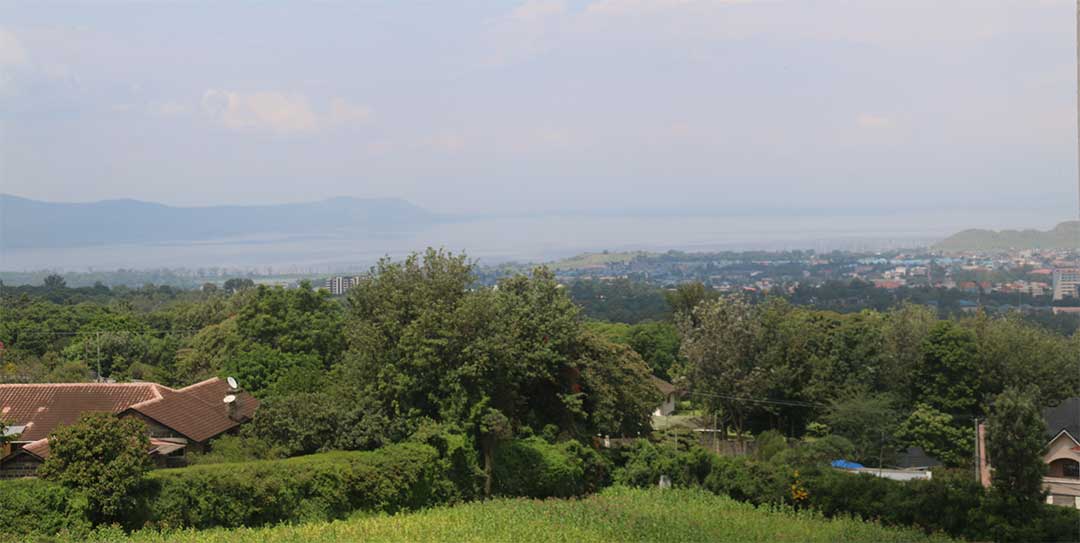
Surrounded by the menacing black volcanic mountains, which erupted fiercely just a century ago, Nakuru lives under the constant reminder of its explosive past. Yet, it thrives as a lush sanctuary, with its future intertwined with clean energy initiatives. For those who venture to Nakuru, the juxtaposition of natural beauty and volatile history offers a unique and intriguing experience.
For any serious Kenyan tourist, the burning question is: Nakuru—must-see or pass by? Dive into this vibrant city’s tapestry of ancient lore, political evolution, and breathtaking wildlife to discover whether Nakuru should be at the top of your travel list or a pass-by on the way to The Maasai Mara Game Reserve.
A CITY WITH ROOTS IN THE PAST AND PLANS FOR THE FUTURE.
The Maasai, who originally named it Nakurro, meaning “The dusty place,” have a profound connection to the city. Nakuru has been a pivotal hub of political events since independence, serving as the operations base for both Jomo Kenyatta and President Moi. The post-election violence of 2007 hit Nakuru County particularly hard, leaving scars on its landscape and buildings, not to mention the innocent victims of the violence.
But before independence and even before colonization, Nakuru’s history stretched back an astounding 6,000 years. The first settlers, the Sirikwa tribe, established their homesteads along the lake’s banks, which was then 100 meters higher than it is today; long after the Sirikwa came the British settlers, who also left an indelible mark on Nakuru. On January 28, 1904, they renamed the city from Nakurro to Nakuru, a mispronunciation of the original Maasai name. Establishing their township, they marked their authority precisely one mile from the railway station’s main entrance, claiming the so called ‘vacant land’ as far as the eye could see.
Exploring Nakuru Today.
I was fortunate enough to take the four-hour drive from Nairobi to Nakuru to visit the fourth city of Kenya. Nakuru is a vibrant, colorful crossroads on the main road from Nairobi to Kisumu. It acts as a trading center with a population of over half a million souls from the Kikuyu, Kalenjin, Luhya, Gusii, and Lou Tribes. There is also a large population of Indians, many of whom are direct descendants of the builders of the Lunatic Line. Making Nakuru the third largest urban population in Kenya. This cultural diversity creates a dynamic atmosphere, visible in everything from the bustling marketplaces to the street hawkers and boda boda drivers swerving in and out of the traffic.
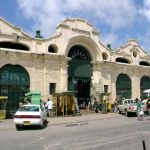
Nakuru’s main streets are bustling and alive with traders of all kinds, but the old colonial side of the city is still clearly visible in the court and municipal buildings. The thing about Nakuru is that if you blink, you will almost miss it. The main road whistles by, and you are gone in seconds; it’s only when you take a breath and stop that you realize the sprawling size and scope of Nakuru City.
I went for the history and the geology, which are plentiful in this area of modern-day volcanoes linked with ancient civilizations. But if you want a safari, Lake Nakuru National Park is excellent, and if you are a twitcher, it is a must-see destination. Lake Bogoria and Lake Baringo are also close by.
The Leaky Museum: A Journey Back in Time
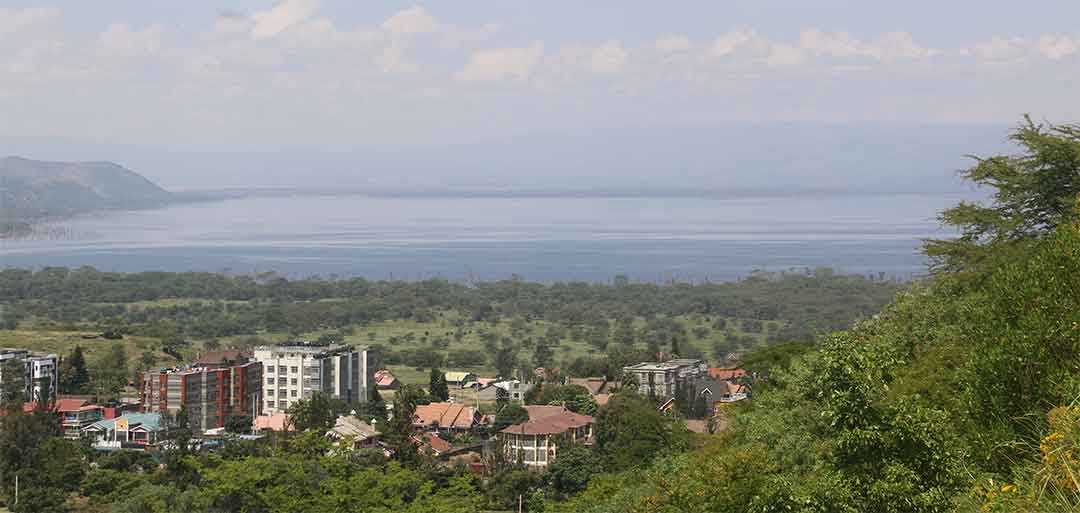
My first port of call was The Leaky Museum. I am a fan of the origins of humans on this planet. If you are like me, you might enjoy my Mfangano Rock painting Blog. The Leaky Museum is a wonderful place to get lost for a few hours. My guide was helpful, and she knew her stuff. She took me through the museum first; then, we set off into the bush to explore the several homesteads of the Sirikwa people. You can see why they chose the bluff; there is an impressive view of Nakuru Town, although when the Sirikwa people were living here, it would have been underwater as the lake was 100 meters higher! The Sirikwa people of Nakuru were some of the first pastoralists on earth; they kept cattle and did farming and fishing in the lake. They lived in small groups of up to twenty people, as shown in the early burial sites excavated by Mary Leaky in the 60s.
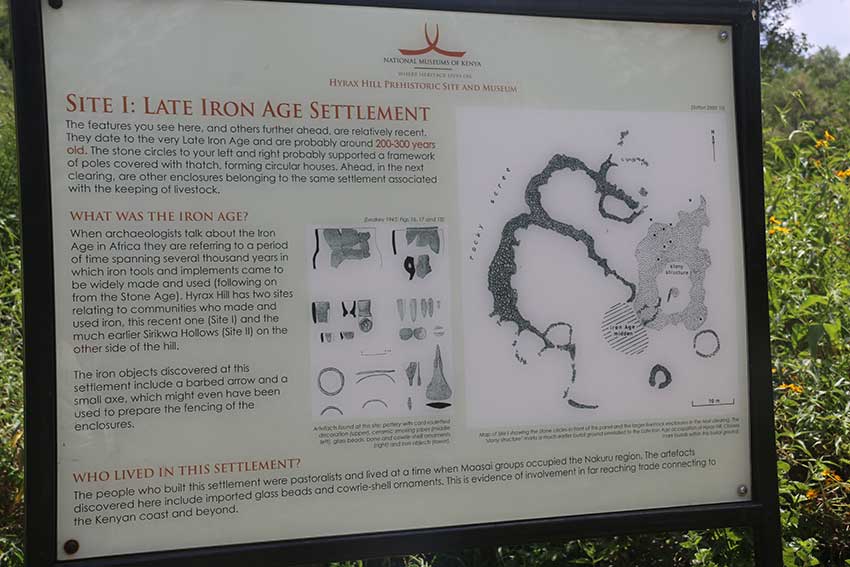
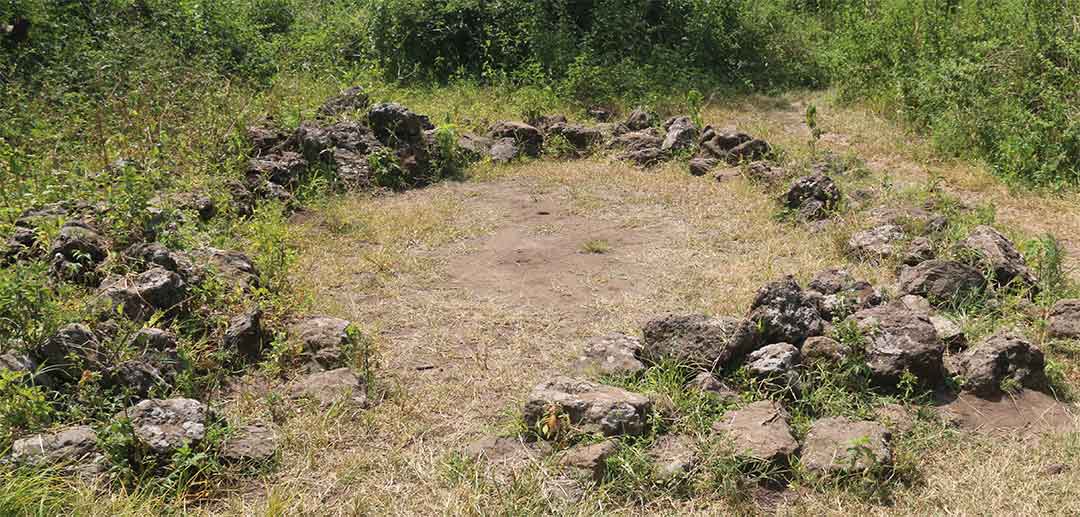
The path through the bush is stony and rough, but the areas where the Leaky’s excavated are well marked out. There is not much to see anymore as the bones have been removed, but for me, it was wonderful. I love standing in the same place that one of my ancestors stood 6000 years ago. The line from me back to them is just mesmerizing. My young guide led me past the ditches and dykes that were once homesteads with corrals for the animals and lookout posts to watch for invaders. I scrambled over rocks with rivulets of sweat washing down my back as my guide casually pointed out gouges in the rock face or indentations in the earth. We finally popped out on a small track that led to some large flat rocks with an ancient game of Mbow carved into them. I sat on the rock to gather my breath and thought about all the butts that had nestled in the smooth indentations in the granite. How many sweaty, tired bodies had gratefully stopped for a lazy game of mbow while they gathered the strength to walk back to their village?
Egerton Castle: Love and Legacy
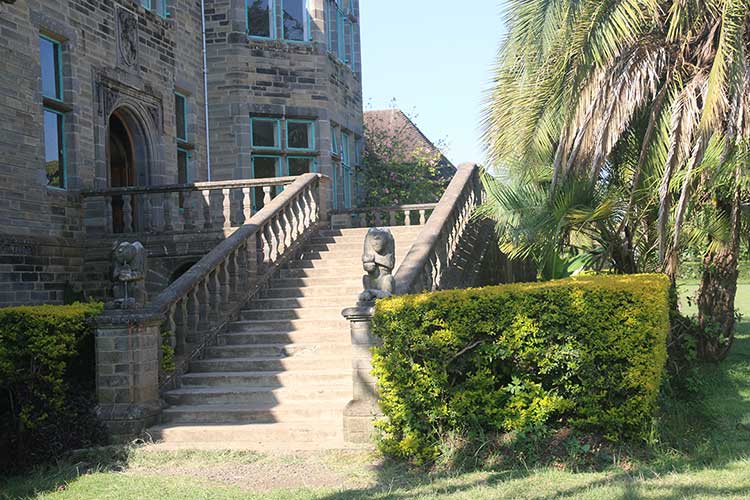
My next destination was an odd one—an unrequited love story. I drove about twenty minutes from Nakuru City. My destination was a house or rather a castle that had been deserted for more than fifty years. Lord Egerton Castle sits forlornly in a large estate, or what is left of Lord Egerton’s massive 21-thousand-acres.
Lord Egerton came to Kenya after distinguishing himself in the First World War. He was a philanthropist who loved hunting, motor racing, and flying; he knew the Wright Brothers, and he was passionate about developing education for the next generation. He was granted some land under the Kenyan colonial settlement scheme. Soon after arriving, he purchased a further 21 thousand acres from Lord Delamere.
Maurice Egerton was born into the wealthy royal class of the UK at an exciting time in history. The great continent of Africa was opening up. The fourth baron of Egerton was an only child who was reclusive, but he enjoyed sports and was an adventurer.
However, he was a bit of a loner and did not mix well with women. But as the only child of Lord Alan De Tatton Egerton, he was duty-bound to provide an heir to the Egerton lineage. To this end, he sought out a wife. The story of whom he was pursuing is very vague. I have read convincing accounts saying she was from the Austrian Aristocracy another that she was just named Victoria. However, the story goes that late into his life, he finally got around to looking for a suitable spouse to keep the family’s name. He allegedly courted this elusive woman and brought her out to Kenya. She must have been someone of substance as she apparently took one look at his four-bedroom ranch-style homestead and refused to enter, saying, “The house is unsuitable for someone of my station and looks like a chicken coop!”
This set the Lord back a bit; he desperately wanted to get married and had fallen head over heels in love with this mystery lady. So, as any rich lord would, he built a mansion. The first stone was laid in 1938, and the finishing touches were done in 1952 due to the Second World War interfering with the shipment of materials needed to build the mansion. When it was finished, the building sported 52 rooms, and electricity was brought, according to the guide on the day, from Jinja, the source of the Nile. However, upon some of my investigations, it may have come with the general electrification of Nakuru in 1947. Two Ruston Oil Engine sets were installed in Nakuru in 1943 and were still running in 1952, so it was likely the latter.
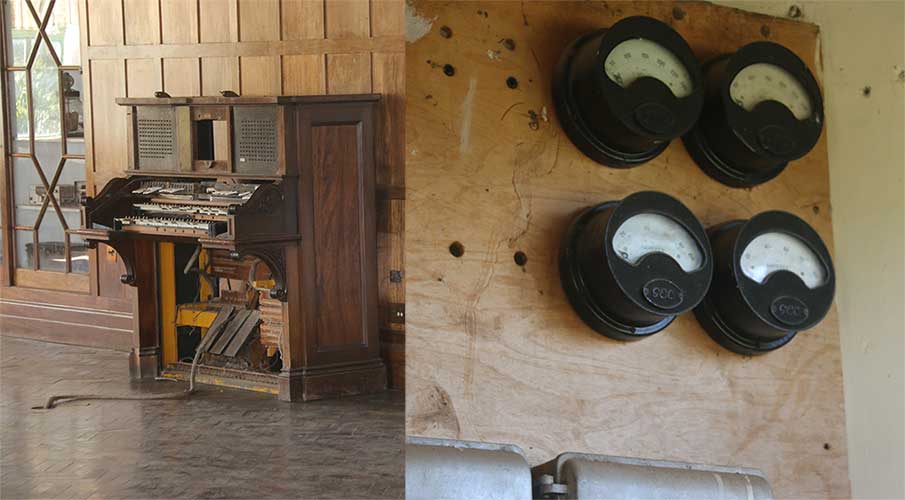
As soon as the mansion was finished, Lord Egerton invited the same lady back; she must have been very patient or had not found a more suitable man! However, on arrival, she surveyed the 52 rooms and stated, “This is not a home for such a woman as I. It resembles more of a stable for horses than a home for a family.” Then she caught the next train back to Nairobi and the coast and was never seen again. Lord Egerton took this rather severely; from that moment onwards, women were not allowed on the estate. If workers visited him, they had to leave their wives at the gate, and no female staff were employed anywhere on the grounds. The lord became a reclusive character and lived alone in the castle for four more years, then died at the age of 83.
As he was an only child, the castle was left abandoned for over forty years until the University in Nakuru, which Lord Egerton had started, decided to take it over and ensure it was not destroyed. When I went, I was amazed to see the original flooring and plumbing in the property, even some items that had remained from his time. According to my guide, several churches and societies had used the castle, but they had maintained it and showed respect for the original owner.
This is a worthwhile visit if you want to understand some of Kenya’s colonial times. Many people want to forget this stuff, but it is history, warts and all, and we should look at everything and make our own minds up.
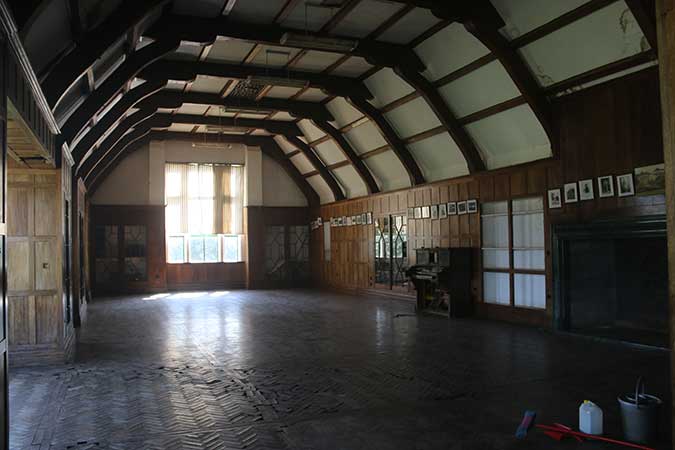
In a somewhat ironic twist, the Egerton Gardens are now often used for wedding parties. My guide told me that a wedding is held on the grounds most weekends!
Menengai Crater: Nature’s Majesty
This is a must-see if you are in the area; the views are spectacular. Menengai Crater is a massive shield volcano that formed about 200,000 years ago. It has one of the biggest calderas in the world. It is Kenya’s largest volcano caldera and Africa’s second largest.
Calderas are formed after a volcanic eruption when magma is quickly expelled from the chamber. This causes significant damage to the structural integrity of the walls and roof of the chamber, greatly diminishing its ability to support itself. The caldera is formed when the walls collapse, and the roof falls in.
The Menengai caldera is 12 x 8 km and was formed some 8,000 years ago. The caldera floor is covered with post-caldera lava flows, the last of which occurred only 100 years ago.
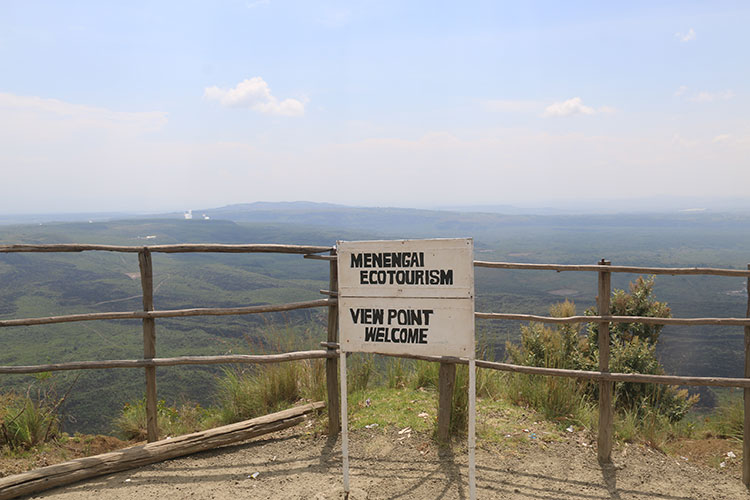
The area is still very volatile, with small tremors being felt regularly. I spoke to a guide at the caldera viewing point, and he mentioned that if the locals dig only a few feet down, they find warm water bubbling up. This is probably why the area is the center of geothermal research and development. Several geothermal generators are already in operation, with many more to come over the coming years.
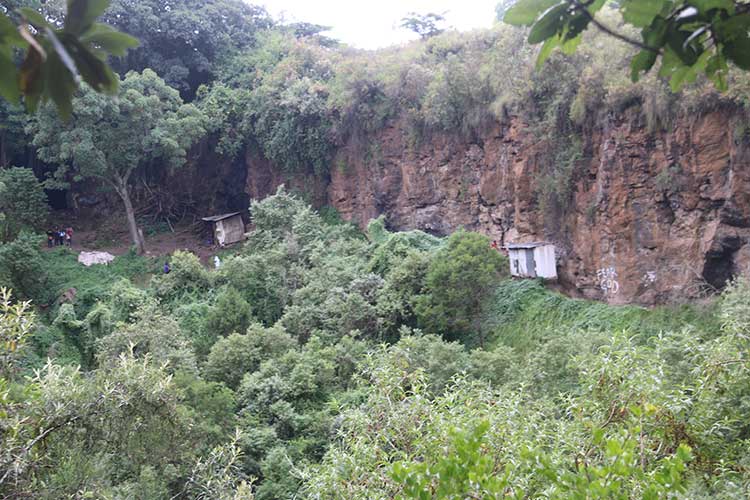
A second attraction at Menengai is the Mau Mau Caves. These deep volcanic caves were the home to the resistance fighters during Kenya’s fight for independence. The Mau Mau would raid Nakuru, head up into the hills, and hide in these large caverns. The one I visited has since been taken over by several religious sects whose pilgrims come from far and wide to sit in the dark, damp, cavernous holes and pray or read the Bible. Some have actually set up homes in the smaller caves like hermits. They live a life of penance, praying, and surviving on handouts from fellow pilgrims or tourists. It is a strange place to visit, but if you are curious it is a worthwhile. Although sweaty hike over loose volcanic stones and down some vertiginous slopes can be quite taxing. When I went, it was full of laughing and chattering schoolchildren who all wanted a photo with me!
Conclusion
All in all, Nakuru is a great place to visit. It is a good stopover point on the long journey to the Mara or Lake Victoria. If you are not pressed for time and want to get a feel for Kenya and what it offers, I would advise taking a few extra days to investigate the history of this area.
If you would like to follow me on Instagram or Facebook, I post most days just click on the links to join the community.
For loads of useful information on African Safaris and Africa in general just click here
If you would like to get in contact with me then click here
Below are some more useful links about Safaris in Africa- Enjoy!
Top Tips for an African Safari and Beach Holiday
African Safari Which is the Best Country to Choose and Why?
Top Tips for the Perfect African Safari Vehicle
The Naming of Kenya-How and Why!
Zanzibar Tanzania-A must for your Bucket List
A Trip to Monsoon Restaurant Mtwapa
Kerosene Harvesting Stories from Kenya
Mugged by a Trigger Fish Stories From Kenya
Mekatilili Wa Wenza Stories From Kenya